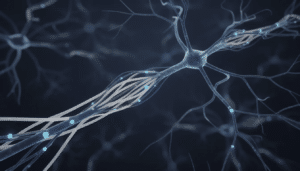
Regenerative medicine is a branch of modern medicine focused on repairing, replacing, or regenerating damaged tissues and organs to restore structure and establish normal function—rather than simply masking symptoms with ongoing medication. This field draws on stem cell biology, tissue engineering, and developmental biology to harness the body’s natural repair mechanisms. Core tools include stem cells, growth factors, biomaterials and scaffolds, and biologically active molecules administered to stimulate healing at the cellular level. The term ‘regenerative medicine’ was first used in a 1992 article by Leland Kaiser.
Outside of aesthetics, regenerative medicine treatments are already being studied and applied in areas like cardiac repair after heart attacks (using stem cell–derived heart muscle cells), spinal cord injury recovery (through neural cell therapies), and diabetes-related tissue damage (research into regenerating insulin production). The regeneration of body parts is a common phenomenon in nature, as seen in species like salamanders, which can regrow limbs and other body parts. These same principles—supporting the body’s ability to heal itself—now inform treatments designed to improve scalp health and follicle function, including stem cell–based injections, platelet-rich plasma (PRP), and low-level laser therapy for hair restoration. Regenerative medicine aims to repair or replace human body parts using advanced techniques such as stem cells and tissue engineering. Historically, the idea of creating artificial organs to replace damaged body parts dates back to significant contributions as early as the 1930s, marking important milestones in the evolution of regenerative medicine.
Current estimates indicate that approximately one in three Americans could potentially benefit from regenerative medicine.
Key components of regenerative medicine include:
-
Stem cells that can develop into various cell types
-
Growth factors that signal cells to repair and regenerate
-
Biomaterial scaffolds that provide structure for new tissue growth
-
Biologically active molecules that modulate inflammation and promote healing
Introduction to Regenerative Medicine
Regenerative medicine is a cutting-edge field of medicine dedicated to restoring the body’s normal function by repairing, replacing, or regenerating damaged tissues and organs. Unlike traditional treatments that often focus on managing symptoms, regenerative medicine treatments aim to address the root cause of disease or injury by harnessing the body’s own repair mechanisms. Through advanced approaches such as tissue engineering, cell-based therapy, and gene therapy, regenerative medicine research is opening new doors for patients with a wide range of health conditions.
These therapies use living cells—sometimes derived from the patient, sometimes from donors—to repair or replace tissues that have been damaged by injury, aging, or chronic diseases. For example, cell-based therapy can help regenerate cartilage in degenerative disc disease, while gene therapy may be used to correct faulty gene expression in certain inherited disorders. Tissue engineering combines cells with biomaterial scaffolds to create new tissues or even organs, offering hope for those with severe injuries or organ failure.
By focusing on restoring structure and function at the cellular level, regenerative medicine is transforming how we approach conditions like Alzheimer’s disease, chronic diseases, and traumatic injuries. The ultimate goal is to develop new therapies that not only improve function and reduce pain but also enhance the overall quality of life for patients. As research continues to advance, regenerative medicine is poised to become a cornerstone of modern medical treatment, offering innovative solutions for repairing tissues and organs throughout the body.
Historical Development and Key Milestones
The idea of replacing or repairing lost tissue has ancient roots, from early attempts at skin grafting to the sophisticated cell therapies of today. What we now call regenerative medicine represents centuries of incremental discovery, accelerating dramatically in the late 20th century.
In the 1860s–1870s, surgeons began developing skin grafting techniques to treat burns and traumatic wounds—an early form of regenerative treatment that proved tissue could be moved and integrated to replace tissue lost to injury. Early organ transplantation efforts highlighted the challenge of immunological rejection, but transplants between identical twins eliminated this problem due to their genetic similarity. By the 1950s, the first successful allogeneic bone marrow transplant (1956) demonstrated that infused cells from a donor could repopulate a patient’s blood cells and immune system, offering proof that cell based therapy could cure previously fatal diseases like leukemia. The first recipient of a notable cell therapy marked a milestone in demonstrating the clinical potential of regenerative medicine.
Key milestones in chronological order:
-
1860s–1870s: Skin grafting techniques established for burn treatment
-
1956: First successful bone marrow transplant for leukemia
-
1992: Term “regenerative medicine” appears in scientific literature
-
1995–1998: Isolation of human embryonic stem cells enables lab study of human tissue development
-
2008: First tissue-engineered trachea transplant using a scaffold seeded with patient’s own cells
The first tissue engineered trachea transplantation was performed in June 2008 at the Hospital Clínic de Barcelona.
The term “regenerative medicine” was formally introduced in 1992 and gained widespread use around 1999 to describe therapies that restore tissue using living cells, genes, and proteins. It is widely considered to be coined by William Haseltine during a 1999 conference on Lake Como. By the 2010s, international societies, dedicated journals, and major research institutes had formed, cementing regenerative medicine as a major discipline within biomedical research. The Society for Regenerative Medicine was founded to create a community of experts in the field.
Today, insights from this history inform clinical practice across orthopedics, cardiology, dermatology, wound care, and—increasingly—hair restoration, where the same principles of cellular repair and tissue support are applied to the scalp and follicles.
Core Concepts and Strategies in Regenerative Medicine
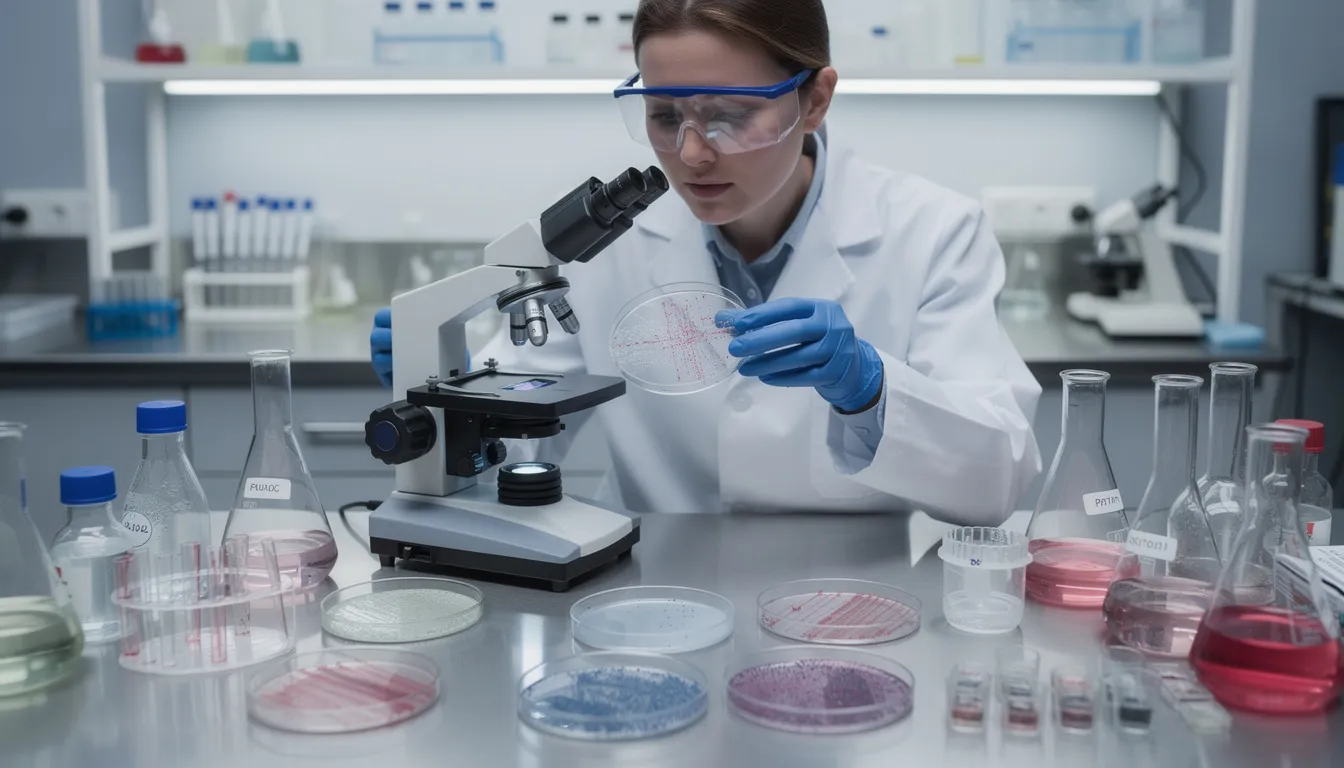
Regenerative medicine typically relies on three overarching strategies to repair damaged tissues and improve function. Understanding these approaches helps clarify what’s actually happening when you receive a regenerative treatment—whether for a joint, an organ, or your scalp.
The three main approaches are:
-
Cell-based therapy: Using living cells (such as adult stem cells, progenitor cells, or specialized human cells) to repair or replace damaged tissues. These cells may come from the patient’s own body (autologous) or from a donor. Stem cells are powerful tools of discovery used by researchers hoping to understand how regenerative medicine could be used to treat patients. Stem cells can proliferate extensively, with the capacity of self-renewing while they maintain their undifferentiated state, until they are induced to differentiate into a specific cell type, making them highly valuable for regenerative therapies.
-
Biomaterials and scaffolds: Natural or synthetic materials that mimic the extracellular matrix, providing a framework to guide healing and support new tissue growth. These may include collagen, decellularized organs, or engineered polymers.
-
Cell-seeded scaffolds: Engineered constructs that combine a scaffold with the patient’s own cells, then are implanted to regenerate complex tissues or even organs.
Cell potency matters because it determines what a cell can become. Pluripotent cells (like human embryonic stem cells or induced pluripotent stem cells) can develop into nearly any cell type, while multipotent cells (like those found in bone marrow or dental pulp) are more limited but still versatile. The reprogramming of adult cells into induced pluripotent stem cells is achieved by introducing specific transcription factors such as OCT4, SOX2, KLF4, and c-MYC, which play a crucial role in gene regulation and cellular identity. For regenerating specific tissues—cartilage, heart muscle, or hair follicles—the right type of cell must be selected or guided.
The extracellular matrix (ECM) is the “microenvironment” surrounding cells. It influences whether cells survive, migrate, and differentiate properly. Biomaterials used in regenerative medicine often aim to replicate ECM properties, sometimes enriched with growth factors and cytokines to enhance regeneration. Natural options (collagen, decellularized tissues) offer biological compatibility, while synthetic options allow for precise control over structure and degradation rates—each with trade-offs.
In preclinical research and development, animal models such as mice or zebrafish are essential for studying tissue regeneration, organ development, and for testing the safety and efficacy of regenerative medicine techniques before they are applied to humans.
Concrete examples of combination approaches include bioengineered bladder tissue for augmentation cystoplasty (where a patient’s own cells are seeded onto a scaffold and implanted to restore bladder function) and early-stage bioartificial liver constructs using decellularized livers reseeded with healthy cells. These advances illustrate how scaffold, cell, and signaling strategies converge to replace tissue that the body cannot regenerate on its own.
Regenerative Medicine in Hair Restoration (Best Hair Transplant Focus)
The same regenerative principles used to heal damaged tissues elsewhere in the body apply directly to scalp and hair follicle health. Regenerative tools can improve blood flow, modulate inflammation, and support the cellular environment around hair follicles—addressing root causes of hair thinning rather than simply covering up symptoms. In tissue engineering for hair restoration, the formation and maintenance of blood vessels are crucial for supplying nutrients and oxygen to engineered scalp tissues and follicles, ensuring their survival and integration.
Hair loss often involves miniaturization of follicles, chronic low-grade inflammation, hormonal effects, and reduced blood supply to the scalp. In many instances, regenerative medicine research has produced several therapies targeting these underlying issues, demonstrating its diverse applications in hair restoration and other medical fields.
Platelet-Rich Plasma (PRP) Therapy
PRP therapy concentrates a patient’s own platelets and growth factors from a simple blood draw. This concentrated solution is then injected into the scalp to:
-
Improve follicle survival and function
-
Extend the growth (anagen) phase of the hair cycle
-
Thicken existing hairs and support scalp tissue health
A typical treatment cadence involves a series of monthly sessions initially, followed by maintenance treatments. Results vary based on individual factors, but many patients see improved density and hair quality over time.
Low-Level Laser Therapy (LLLT)
Laser hair therapy uses red or near-infrared light to stimulate cellular activity and microcirculation in the scalp. It’s non-invasive and often used as an adjunct to other treatments—PRP, medications, or surgery—to speed healing and support follicle health.
Stem Cell–Based (Stem Cells) and Growth Factor Injections
Some regenerative options involve using autologous tissue sources, such as fat-derived cells, bone marrow–derived cells, or concentrated growth factors. The goal is to support follicle health, reduce inflammation, and improve the scalp tissue environment—not to “create brand-new follicles from scratch,” but to optimize conditions for the follicles you have.
Combining Regenerative Therapies with Hair Transplant Surgery
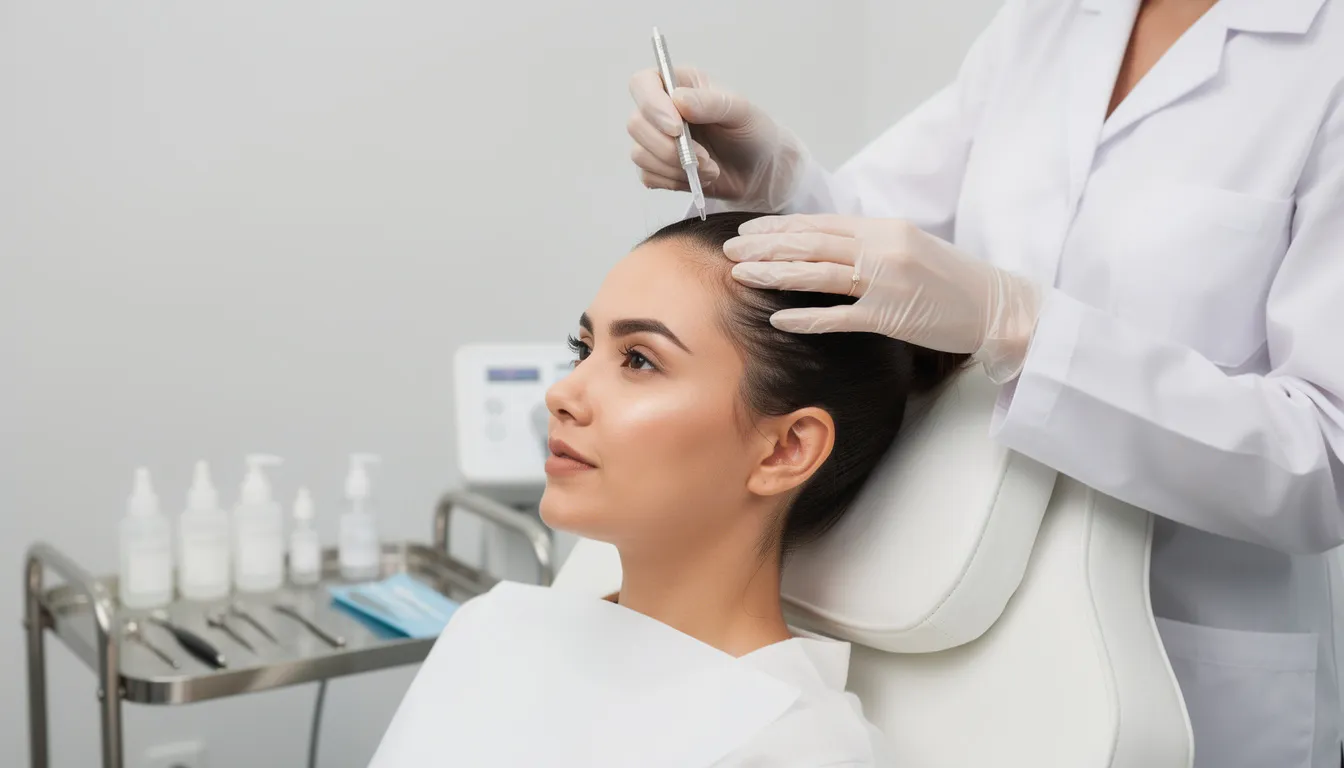
Traditional hair transplant surgery—FUE (Follicular Unit Extraction) and FUT (Follicular Unit Transplantation)—moves permanent hairs from donor areas to thinning zones. Regenerative tools like PRP, stem cell–based injections, and laser therapy can enhance graft survival, speed the healing process, and improve overall density when used alongside surgery.
Regenerative options for hair restoration at a glance:
-
PRP therapy: Concentrated platelets and growth factors to support follicle health
-
Laser hair therapy (LLLT): Light-based stimulation of scalp and follicle activity
-
Stem cell–based injections: Autologous cell or growth factor delivery to improve the scalp environment
-
Adjunctive use with FUE/FUT: Regenerative treatments to enhance surgical outcomes
Additional Non-Surgical Options
Best Hair Transplant also offers complementary non-surgical options:
-
Scalp micropigmentation (SMP): A cosmetic technique that visually boosts density by replicating the appearance of hair follicles
-
Medical therapies: Finasteride, minoxidil, and other medications as part of a comprehensive treatment plan
At Best Hair Transplant in Redondo Beach/Los Angeles, regenerative options are integrated into personalized treatment plans. Flat-rate pricing, financing, and free consultations make care accessible for men and women at various stages of hair loss.
Ready to explore your options? Schedule a free consultation to discuss which regenerative hair treatments fit your case—whether you’re just starting to notice thinning or looking to enhance the results of a transplant.
Clinical and Research Applications Beyond Hair: Tissue Engineering Examples by Tissue and Disease
Regenerative medicine spans many specialties, from orthopedics to cardiology and neurology. While hair restoration is one application, the same underlying strategies—including a wide range of cellular therapies—are being used or researched for a wide range of health conditions.
Key application areas include:
-
Orthopedics and arthritis: Injections using PRP or cell-based therapies to address osteoarthritis, tendon injuries, and degenerative disc disease. These treatments often aim to reduce pain and modify the joint environment, though full cartilage regrowth remains challenging.
-
Cardiovascular disease: Research into using stem cell–derived cardiomyocytes and bioengineered patches to repair heart muscle after myocardial infarction, with ongoing human clinical trials.
-
Neurology: Early-stage work on spinal cord injury repair and neurodegenerative diseases (such as Parkinson’s and Alzheimer’s disease) through cell replacement and neuroprotective factor delivery. Notably, stem cell therapies are now in final-stage clinical trials for treating neurodegenerative diseases like Parkinson’s and Alzheimer’s.
-
Endocrine and diabetes: Research on regenerating insulin-producing beta cells to restore glucose control in Type 1 diabetes, potentially reducing dependence on injected insulin. New models for Type 1 Diabetes use stem cell biology and gene editing to aim for a cure instead of just management.
-
Ophthalmology: Use of stem cell–derived retinal cells or retinal organoids to model and treat retinal degenerative conditions, with some therapies entering clinical trials.
-
Wound care: ECM-based materials, fish-skin scaffolds with omega-3, and cellular dressings to accelerate the healing process for chronic wounds and burns.
Researchers at the Institute for Stem Cell and Regenerative Medicine are studying how to jump start the growth of cells in the brain, heart, pancreas, liver, kidney, eyes, ears, and muscles.
Some therapies are already in routine clinical practice—bone marrow transplants for blood cancers, certain PRP uses for orthopedic injuries, and cord blood banking for future cell therapies. Others remain in clinical trials or basic research stages, with major universities and dedicated regenerative medicine centers leading the way.
Gene editing, particularly CRISPR, is utilized to correct genetic defects and shows promise for inherited diseases. Researchers are also using CRISPR to genetically modify pig organs to create universal donor transplants for humans.
In tissue engineering, 3D bioprinting of complex tissues like skin and cartilage has reached high success rates of 80-90%. Artificial intelligence is now used in manufacturing platforms to mass-produce clinical-grade induced pluripotent stem cells (iPSCs) with precision.
Insights from these fields inform better protocols for skin rejuvenation, scar treatment, and hair restoration. As regenerative medicine research advances, new therapies for other tissues and organs often translate into improved options for aesthetics and hair care.
Limitations, Safety, and Realistic Expectations
“Regenerative” does not always mean complete regrowth of lost tissue. Many current regenerative medicine treatments focus on symptom relief, slowing degeneration, or helping to improve function—not on rebuilding an entirely new body part from scratch. In addition, regenerative medicine faces significant challenges, such as the complexity of human biology and the need for multidisciplinary approaches to overcome existing limitations. Treatments often require personalized approaches to be effective, which complicates their application in clinical settings. The potential for adverse immunological responses, especially in cell transplantation, also poses a significant challenge. Immunomodulation therapy, a biomedical approach that uses biologically active molecules or infused cells to stimulate the body’s repair mechanisms and address immune challenges, is being explored to improve outcomes and promote tissue regeneration.
For common conditions like osteoarthritis, regenerative treatments usually don’t rebuild an entirely new joint. Instead, they may reduce inflammation, relieve pain, and improve mobility. The same principle applies to hair restoration: regenerative tools can thicken existing hair, improve density, and support transplant outcomes, but they may not fully reverse advanced baldness on their own. Furthermore, the marketing of regenerative medicine often outpaces the scientific understanding of its treatments and their effectiveness, leading to unrealistic expectations. High costs, particularly for gene therapies that can exceed $1 million, and the scalability of manufacturing remain major barriers. The shortage of organ donors also presents a significant challenge for the application of regenerative medicine in organ transplantation. Ethical considerations, especially regarding the use of embryonic stem cells, continue to be a major concern in the field.
Variability in Patient Response
PRP, stem cell–based injections, and other biologic therapies can work very differently from person to person. Factors that affect outcomes include:
-
Age and overall health
-
Extent of tissue damage or hair loss
-
Differences in treatment protocols and cell quality
-
Underlying chronic diseases or medications
Safety and Regulation
It’s essential to work with licensed clinicians who follow FDA and state guidelines. Be cautious of unproven “miracle cures” or clinics making unrealistic promises, especially those operating outside established regulatory frameworks. Legitimate regenerative medicine treatments are grounded in biomedical research and transparent about what they can—and cannot—deliver.
Key limitations and safety points:
-
Most regenerative therapies support healing rather than fully restoring lost tissue
-
Results vary widely based on individual biology and treatment protocols
-
Regulatory oversight (FDA, state licensing) protects patients from unsafe practices
-
Beware of clinics promising guaranteed or miraculous results
-
Some treatments are still in clinical trials and not yet standard of care
Cost Considerations
Regenerative treatments can be an investment and are often not covered by insurance. At Best Hair Transplant, flat-rate pricing, financing options, and cash discounts help make treatment more affordable for patients seeking quality care without premium pricing.
Regenerative medicine is promising but still evolving. The best way to understand what it can realistically offer is through an individualized evaluation. During your consultation, ask detailed questions about expected outcomes, treatment protocols, and what combination of therapies may be right for your situation.

Future Directions and How Best Hair Transplant Fits In
Over the next 5–10 years, regenerative medicine is expected to become more precise, personalized, and effective. Advances in cell therapies, biomaterials, and combination protocols—guided by genetics and biomarkers—will refine how we approach tissue repair across the body. There is also growing potential for regenerative medicine to slow or even reverse the aging process, with therapies aimed at restoring or maintaining normal cellular and tissue function to address age-related degeneration.
Emerging technologies to watch:
-
Organoids and 3D-printed tissues: Lab-grown mini-organs for drug testing and, eventually, transplantation
-
Sophisticated stem cell–derived cell types: More targeted cells for specific organs (heart, pancreas, retina, and beyond)
-
Advanced imaging and AI tools: Better tracking of tissue response and optimization of treatment timing
-
Gene therapy and gene expression modulation: Fine-tuning cellular behavior for more predictable outcomes
In trauma care, a future scenario could involve a patient receiving regenerative therapy after a spinal cord injury sustained in a car accident, illustrating how stem cell treatments may help restore function following severe injuries.
For hair and aesthetics, these trends suggest a future where hair restoration may use more targeted cell populations, improved growth factor cocktails, and better ways to preserve and integrate transplanted follicles. Combining genetic insights with regenerative therapies could allow for truly customized hair loss treatment plans based on each patient’s unique biology.
How Best Hair Transplant Adapts
A clinic like Best Hair Transplant stays at the forefront by:
-
Continually updating protocols as new evidence emerges
-
Following high-quality clinical trials to refine PRP, stem cell–based options, and laser protocols
-
Training staff and surgeons in both surgical and regenerative techniques for comprehensive care
Best Hair Transplant emphasizes one-on-one care, attention to detail in graft placement and density design, and integration of regenerative procedures to support healing and results. Being value-conscious—with flat-rate pricing and financing—allows more patients in the Los Angeles/Redondo Beach area to access state-of-the-art regenerative options.
Regenerative medicine is changing the landscape of hair restoration and aesthetic medicine, offering new therapies that work with your body’s own healing capacity. Whether you’re exploring non-surgical options, considering a hair transplant, or looking for ways to optimize your results, regenerative tools are becoming an essential part of modern treatment planning.
Your next step: Schedule a free consultation with Best Hair Transplant to review your hair loss pattern, medical history, and goals. Together, we’ll design a customized plan that may include FUE/FUT, regenerative treatments, and non-surgical options—tailored to your needs and budget.
Conclusion
Regenerative medicine is revolutionizing the way we think about healing, offering hope for patients seeking to restore normal function and improve their quality of life. By leveraging the latest advances in stem cell biology, tissue engineering, and gene therapy, this field is moving beyond symptom management to address the underlying causes of tissue and organ damage. Whether it’s through cell-based therapies for degenerative disc disease, biologically active molecules to promote healing, or innovative approaches to hair restoration, regenerative medicine treatments are reshaping the future of healthcare.
As regenerative medicine research continues to evolve, patients can look forward to more personalized and effective therapies for a wide range of health conditions. However, it’s important to approach these new therapies with realistic expectations, understanding that while they can significantly improve function and support the body’s natural repair mechanisms, they may not always fully replace lost tissue or cure chronic diseases.
At Best Hair Transplant, we are committed to integrating the latest regenerative options into our treatment plans, ensuring that each patient receives care tailored to their unique needs and goals. If you’re interested in exploring how regenerative medicine can help you heal, restore, and thrive, we invite you to schedule a free consultation and take the next step toward a healthier future.