What is neuropathic pain (nerve pain)?
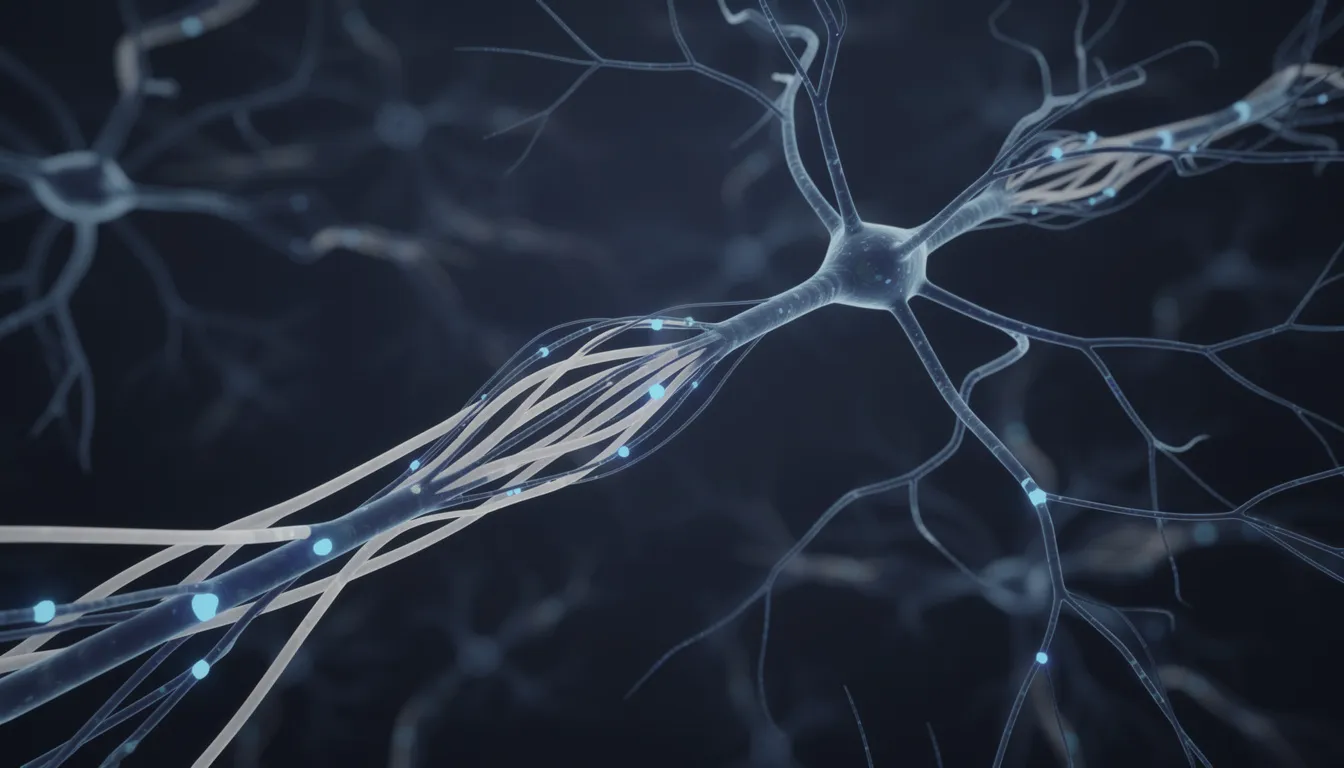
Neuropathic pain is a distinct type of chronic pain that arises when the somatosensory nervous system—the network responsible for sensing touch, temperature, and body position—becomes damaged or diseased. Unlike pain from a sprained ankle or arthritic joint, neuropathic pain doesn’t come from ongoing tissue injury. Instead, the nerves themselves are the problem, generating abnormal pain signals even when there’s nothing actively harming your body.
When nerves become damaged, the electrical signals they transmit become “miswired.” Sensory neurons may fire spontaneously, sending shooting pain or burning sensation signals to your brain and spinal cord without any external trigger. This explains why someone with neuropathic pain might feel an electric shock in their foot while sitting still, or experience severe pain from the light touch of bed sheets.
The difference between neuropathic pain and nociceptive pain is fundamental. Nociceptive pain serves a protective purpose—it tells you to pull your hand away from a hot stove or signals that your knee injury needs rest. Neuropathic pain, however, represents a malfunction. A person with diabetic peripheral neuropathy might feel burning feet despite no heat source, while someone with postherpetic neuralgia experiences stabbing pain in skin that looks completely healed.
Neuropathic symptoms can be continuous or come in sudden attacks. Many neuropathic pain patients describe ongoing burning pain punctuated by spontaneous pain episodes that feel like electrical sensations or shooting pain. The hallmark features include allodynia (pain from normally harmless stimuli like clothing against skin), extreme sensitivity to temperature changes, tingling, numbness, and hypersensitivity to light touch or pressure.
Current estimates suggest neuropathic pain affects roughly 3-17% of adults globally, making it a significant public health concern. Beyond the pain itself, this condition profoundly impacts quality of life, causing disturbed sleep, limiting daily activities, and frequently triggering anxiety and depression. The chronic nature of this pain type means patients often struggle for years, cycling through medications and specialists in search of meaningful pain relief.
Major types of neuropathic pain diseases
Neuropathic pain diseases represent a diverse group of conditions that share one common feature: damage or dysfunction somewhere along the nervous system’s pain pathways. To understand where things go wrong, imagine your nervous system as an elaborate electrical network. The central nervous system (your brain and spinal cord) acts as the main processing hub, while the peripheral nervous system extends like countless wires throughout your body—reaching your fingertips, toes, and everywhere in between.
When damage occurs at any point in this network, the result can be persistent, difficult-to-treat pain. Sometimes the problem originates in the peripheral nerves of your arms and legs. Other times, central neuropathic pain stems from lesions within the brain or spinal cord itself. In many patients, multiple nerves become affected simultaneously, or a combination of central and peripheral nerve damage creates complex pain patterns.
Diagnosis of neuropathic pain syndromes often requires evaluation by a neurologist or pain specialist who can perform detailed testing to identify which nerves are affected and determine the underlying cause. This precision matters because treatment approaches vary depending on whether you’re dealing with painful diabetic neuropathy, trigeminal neuralgia, or central pain syndromes following stroke or spinal cord injury.
While medications remain the cornerstone of treating neuropathic pain, many patients find conventional approaches provide incomplete relief. First line treatments like gabapentin or antidepressants help some people significantly, but others continue experiencing severe pain despite trying multiple drug combinations. This reality has driven interest in newer biological treatments, including stem cell therapy, which aims to address the underlying disease process rather than simply masking symptoms.
Central neuropathic pain (brain and spinal cord)
Central neuropathic pain develops when disease or injury affects the brain or spinal cord directly. Unlike peripheral nerve damage that occurs in the limbs, central pain originates within the central nervous system itself—the very structures responsible for processing and interpreting all sensory information from your body.
The most common causes of central neuropathic pain include:
-
Stroke: Post-stroke pain affects up to one-third of stroke survivors, often appearing weeks or months after the initial event. Damage to the thalamus (the brain’s sensory relay station) can produce burning or freezing sensations on the entire opposite side of the body.
-
Spinal cord injury: Trauma, tumors, or surgical complications affecting the spinal cord can trigger persistent pain below the injury level. This pain may feel completely disproportionate to visible damage.
-
Multiple sclerosis: The demyelinating lesions characteristic of MS frequently cause neuropathic pain, ranging from brief shooting sensations to ongoing burning.
-
Traumatic brain injury: Central pain following head trauma can develop immediately or emerge years later.
Central pain syndromes often perplex patients because the affected area may look entirely normal. Someone with post-stroke thalamic pain might have completely healed from their stroke yet experience constant burning pain in their arm or leg. The pain is real—it reflects measurable changes in how the central nervous system processes sensory information—but conventional imaging may appear unremarkable.
Diagnosis typically involves detailed neurological examination, MRI of the brain or spinal cord, pain mapping by dermatomes (the skin areas supplied by specific spinal nerves), and exclusion of purely peripheral causes. Temperature changes, light touch, or movement may worsen symptoms, making even routine activities challenging.
Peripheral neuropathic pain (nerve damage outside the CNS)
Peripheral neuropathy encompasses damage to the peripheral nerves—those extending outside the brain and spinal cord throughout your body. These nerves carry three types of signals: sensory information (touch, temperature, pain), motor commands (muscle movement), and autonomic functions (blood pressure, digestion, sweating). When nerve injury affects these fibers, the resulting symptoms depend on which types of nerves are affected.
The classic presentation follows a “stocking-glove” pattern, with symptoms beginning in the feet and hands before progressing upward. Patients often describe burning, pins-and-needles sensations, electric shocks, and progressive loss of vibration or temperature sensation. Some experience muscle weakness alongside sensory symptoms, while others notice autonomic changes like excessive sweating or blood pressure fluctuations.
Major causes of peripheral neuropathic pain include:
|
Category |
Examples |
|---|---|
|
Metabolic |
Diabetes (type 1 and 2), kidney disease, thyroid disorders |
|
Infectious |
Shingles (postherpetic neuralgia), HIV, Lyme disease |
|
Traumatic |
Injuries, surgical complications, nerve compression |
|
Toxic |
Chemotherapy drugs, alcohol, certain medications |
|
Autoimmune |
Guillain-Barré syndrome, inflammatory neuropathies |
|
Nutritional |
Vitamin B12 deficiency, folate deficiency |
Clinicians distinguish between mononeuropathy (single nerve involvement, like carpal tunnel syndrome from nerve compression) and polyneuropathy (widespread nerve damage, like diabetic polyneuropathy). The patterns differ significantly—a compressed ulnar nerve causes numbness in specific fingers, while metabolic damage typically affects nerves symmetrically throughout the body.
Population data suggests nearly 1 in 10 adults over 55 may have peripheral neuropathy, making it remarkably common in older populations. Standard painkillers like ibuprofen typically fail because they target inflammation at tissue sites rather than the abnormal nerve signaling driving neuropathic pain. This limitation has led to development of neuropathic pain-specific medications and growing interest in regenerative strategies like stem cell therapy.
Diabetic neuropathy and metabolic neuropathies
Diabetic neuropathy stands as the most common cause of peripheral neuropathic pain worldwide, accounting for approximately 30% of all neuropathic pain cases. Among people with diabetes, the lifetime risk of developing some form of neuropathy approaches 50%, making it a near-inevitable complication if blood sugar remains poorly controlled over decades.
The mechanism involves complex metabolic injury. High blood sugar levels damage the small blood vessels supplying peripheral nerves, depriving them of oxygen and nutrients. Simultaneously, glucose metabolism produces toxic byproducts that directly injure nerve fibers and their protective myelin coating. The longest nerves—those reaching the feet—suffer first, explaining why “burning feet” syndrome is often the initial symptom.
Diabetic neuropathy takes several forms:
-
Distal symmetric polyneuropathy: The classic presentation featuring burning pain, tingling, and numbness starting in the toes and progressing upward in a stocking-like pattern. This accounts for the majority of cases.
-
Autonomic neuropathy: Damage to autonomic nerves affecting heart rate regulation, blood pressure control, digestive function, and bladder control. Symptoms include lightheadedness when standing, gastroparesis, and urinary problems.
-
Focal neuropathies: Sudden onset of weakness or pain affecting specific nerves, including cranial nerves (causing double vision or facial weakness) or limb nerves.
Consider a typical scenario: a 55-year-old with long-standing type 2 diabetes visits their doctor complaining of burning foot pain that keeps them awake at night. Physical examination reveals reduced sensation to light touch and vibration in both feet, with intact reflexes above the ankle. This clinical practice pattern represents painful diabetic neuropathy, a condition affecting millions of Americans.
Other metabolic causes contribute to the neuropathy burden. Chronic kidney disease, hypothyroidism, vitamin deficiencies (particularly B12), and excess alcohol intake all damage peripheral nerves through various mechanisms. These conditions can coexist with diabetes, compounding nerve injury.
For diabetic neuropathy, tight glucose control, meticulous foot care, and early intervention can slow progression but rarely reverse advanced damage. Once sensory neurons are lost, they don’t regenerate under normal circumstances. This reality has driven investigation of biologic and regenerative therapies—including stem cells—that might protect or repair metabolically injured nerves before permanent damage occurs.

Postherpetic neuralgia and infection-related neuropathic pain
Postherpetic neuralgia represents one of the most severe and debilitating forms of neuropathic pain. It develops following shingles—a painful rash caused by reactivation of the varicella-zoster virus that caused childhood chickenpox. While most shingles cases resolve completely, some patients develop persistent nerve pain that continues months or years after the rash heals.
The hallmark symptoms of postherpetic neuralgia include:
-
Severe burning, stabbing, or itching pain localized to the area where the shingles rash appeared
-
Extreme sensitivity to light touch—even clothing brushing against skin can trigger intense pain
-
Allodynia so pronounced that patients may avoid showering or wearing certain fabrics
-
Pain that may fluctuate but persists continuously
Research shows that dynamic mechanical allodynia occurs in approximately 49% of patients with postherpetic neuralgia, making it one of the conditions where evoked pain is most prominent. The viral infection damages sensory neurons in the dorsal root ganglia, creating lasting changes in how those nerves process information.
Risk climbs sharply after age 60, with incidence and severity increasing with advancing age and weakened immune function. Shingles vaccination can significantly reduce both the likelihood of developing shingles and the risk of subsequent postherpetic neuralgia, representing one of the most effective prevention strategies available.
Beyond shingles, other infections cause significant neuropathic pain:
-
HIV-related neuropathy: Affects up to 50% of people with HIV, causing painful polyneuropathy in the feet and hands
-
Lyme disease: Bacterial infection can cause radiculopathy and cranial nerve involvement
-
COVID-19: Both acute infection and long COVID have been associated with new-onset neuropathic symptoms, including burning sensations and allodynia
The proposed mechanisms share common themes: inflammation, immune activation, direct viral infection damage to dorsal root ganglia, and both central sensitization and peripheral sensitization of pain pathways. Treatment combines antiviral management (when appropriate), neuropathic pain drugs, and emerging interest in immunomodulatory and regenerative approaches that might address the underlying inflammatory processes.
Chemotherapy-induced peripheral neuropathy (CIPN)
Cancer survivors face a cruel irony: the treatments that save their lives often cause lasting nerve damage. Chemotherapy-induced peripheral neuropathy affects 30-70% of patients receiving neurotoxic chemotherapy agents, with symptoms that can persist for years after treatment ends.
The most common culprits include:
|
Drug Class |
Examples |
Typical Pattern |
|---|---|---|
|
Platinum agents |
Cisplatin, oxaliplatin |
Sensory neuropathy, often triggered by cold |
|
Taxanes |
Paclitaxel, docetaxel |
Sensory and motor involvement |
|
Vinca alkaloids |
Vincristine |
Motor weakness prominent |
|
Proteasome inhibitors |
Bortezomib |
Painful sensory neuropathy |
CIPN typically begins in the hands and feet with tingling, numbness, and burning pain. The severity is usually dose-dependent, meaning symptoms worsen with cumulative exposure. For many patients, symptoms appear during active treatment and improve afterward. For others, CIPN becomes a permanent reminder of their cancer journey, affecting quality of life for years.
Imagine a patient finishing breast cancer chemotherapy in 2024. She completed her prescribed taxane regimen, achieved remission, and now faces a future of cancer-free living—except that burning and shooting pain in her feet makes walking difficult, and numbness in her fingers affects her ability to button shirts or type at work. Her oncology team tells her the neuropathy may improve over months to years, but no guaranteed treatment exists.
Current pharmacologic management remains limited. Dose adjustment during active treatment can prevent worsening, but once CIPN develops, symptomatic medications (gabapentinoids, SNRIs), topical treatments, and physical therapy form the mainstay of care. No universally effective disease-modifying drug exists yet.
This treatment gap has sparked research into neuroprotective and regenerative options, including mesenchymal stem cell therapies designed to reduce inflammation and support nerve recovery. The goal is addressing the underlying nerve damage rather than simply managing symptoms.
Entrapment neuropathies and nerve compression syndromes
Not all peripheral neuropathy involves widespread nerve damage. Entrapment neuropathies occur when chronic compression of a peripheral nerve—at specific anatomical bottlenecks—causes pain, numbness, and eventually weakness in that nerve’s territory.
Common entrapment syndromes include:
-
Carpal tunnel syndrome: Median nerve compression at the wrist, causing hand numbness (especially thumb, index, and middle fingers), night-time awakening with tingling, and eventual weakness in grip
-
Ulnar neuropathy at the elbow: Compression of the “funny bone” nerve, causing numbness in the ring and small fingers, plus weakness in fine hand movements
-
Tarsal tunnel syndrome: Tibial nerve compression at the ankle, causing burning pain in the sole of the foot
-
Peroneal neuropathy: Compression at the fibular head (outer knee), causing foot drop
The mechanism involves constant pressure and micro-trauma that impair nerve blood supply and damage the protective myelin sheath. Symptoms typically worsen gradually, progressing from intermittent tingling to constant numbness to muscle weakness as nerve function deteriorates.
Patients with diabetes face a particularly challenging situation called “double crush.” Their nerves already compromised by metabolic injury become more vulnerable to compression. The combination of diabetic neuropathy plus mechanical compression intensifies pain and numbness beyond what either condition would cause alone.
Real-world signs that prompt evaluation include:
-
Waking repeatedly with numb, tingling hands that require shaking to restore sensation
-
Dropping objects due to decreased grip strength
-
Clumsiness when performing fine motor tasks like buttoning
-
Burning foot pain that localizes to specific areas rather than diffuse “stocking” distribution
Treatment follows a stepwise approach: ergonomic modifications, bracing (especially at night), physical therapy, anti-inflammatory strategies, and nerve gliding exercises. When conservative measures fail, surgical decompression can relieve pressure and often produces significant improvement.
Evidence suggests that surgical decompression in patients with diabetic neuropathy plus superimposed compression can improve pain scores, restore sensation, and reduce the risk of foot ulcers and amputation. For appropriate candidates, treating peripheral neuropathy with combined medical and surgical approaches offers the best outcomes.
How neuropathic pain develops: key mechanisms
Understanding why neuropathic pain persists helps explain why it’s so difficult to treat—and why newer approaches like stem cell therapy are being explored. Neuropathic pain isn’t imaginary or “all in your head.” It reflects measurable, physical changes in how nerves generate and transmit signals.
At the peripheral level, injured nerves undergo profound changes in their ion channels—the molecular gates controlling electrical activity. Damaged sensory neurons upregulate sodium and calcium channels while downregulating potassium channels, effectively lowering the threshold for firing. The result is ectopic activity: spontaneous nerve discharges that generate pain signals without any external stimulus. This explains why someone with nerve damage might feel shooting pain while sitting completely still.
Central sensitization compounds the problem. When the spinal cord receives persistent abnormal input from damaged peripheral nerves, its processing circuits become hyperactive. Spinal cord neurons become hyper-responsive, amplifying pain signals even when the incoming stimulus is minor—or absent entirely. Simultaneously, the brain’s inhibitory circuits weaken, removing the normal brakes on pain transmission.
Glial cells—the supporting cells of the nervous system—play an increasingly recognized role. Microglia and astrocytes in the spinal cord release inflammatory mediators including TNF, prostaglandins, and brain-derived neurotrophic factor. These substances sensitize neurons and maintain the chronic pain state long after any initial injury has healed.
Research has also identified thalamocortical dysrhythmia in chronic neuropathic pain patients—abnormal rhythmic activity between the thalamus and cortex that may explain why some pain persists even when peripheral nerve healing occurs. The central nervous system develops its own pathological pain-generating circuits.
These mechanisms explain a crucial clinical observation: neuropathic pain often continues months or years after the original tissue injury appears healed. The initial nerve injury is merely the trigger; the sustained pain reflects an ongoing disease process affecting the entire pain transmission system from periphery to brain.
This understanding has important treatment implications. Approaches that target only nerve firing—like certain medications—may provide incomplete relief because they don’t address inflammation, immune dysregulation, or the damaged microenvironment. Stem cell therapy’s potential appeal lies in addressing multiple mechanisms simultaneously: modulating inflammation, supporting tissue repair, and potentially normalizing the cellular environment around damaged nerves.
Diagnosing neuropathic pain diseases
Accurate diagnosis of neuropathic pain begins with a thorough medical history. Your doctor will ask about pain onset (sudden versus gradual), quality (is it burning pain, electric shocks, or stabbing?), triggers and relieving factors, associated numbness or muscle weakness, and relevant underlying conditions like diabetes, shingles, cancer treatment, or trauma. The pattern of symptoms often points toward specific diagnoses.
Physical examination includes detailed neurological testing:
|
Test |
What It Assesses |
|---|---|
|
Light touch |
Large fiber sensory function |
|
Pinprick |
Small fiber pain sensation |
|
Temperature (cold/warm) |
Thermal sensory pathways |
|
Vibration (tuning fork) |
Large fiber/posterior column function |
|
Reflexes |
Peripheral and central nerve integrity |
|
Strength testing |
Motor nerve function |
Mapping symptoms to specific nerves or dermatomes helps localize the problem. Symptoms following a “stocking-glove” distribution suggest polyneuropathy, while symptoms in a single nerve’s territory (like carpal tunnel’s thumb-to-middle finger pattern) indicate mononeuropathy or focal nerve injury.
Diagnostic tests extend the clinical evaluation:
-
Nerve conduction studies and EMG: These electrodiagnostic tests measure how quickly electrical signals travel through nerves and assess muscle response, detecting large fiber neuropathy and nerve function abnormalities
-
Skin biopsy: The gold standard for diagnosing small fiber neuropathy, measuring the density of tiny nerve fibers in the skin
-
MRI: Essential for visualizing spinal cord lesions, brain abnormalities, or structural nerve compression
Blood work searches for treatable underlying conditions: glucose and HbA1c for diabetes, vitamin B12 levels, thyroid function, autoimmune panels, and infectious disease testing when indicated by medical history.
Quantitative sensory testing and validated pain questionnaires (such as the DN4 or painDETECT) help differentiate neuropathic pain from other pain types. These tools systematically evaluate sensory thresholds and pain characteristics to guide diagnosis.
Early diagnosis matters. Identifying the underlying cause and initiating appropriate treatment can stabilize or slow nerve damage progression. For patients whose pain remains refractory despite conventional approaches, accurate characterization of their neuropathic pain syndrome helps determine candidacy for advanced therapies—including regenerative options like stem cell injections.

Conventional treatment options for neuropathic pain
Treating neuropathic pain presents significant challenges. Unlike acute pain that resolves as injuries heal, chronic neuropathic pain requires ongoing management. Most patients achieve only partial relief with standard medications, and side effects frequently limit dosing. Setting realistic expectations is important: the goal is often meaningful pain reduction and improved function rather than complete elimination of symptoms.
First-line medications
Three drug classes form the foundation of pharmacologic management for neuropathic pain:
Gabapentinoids (gabapentin and pregabalin) work by binding calcium channels and reducing release of excitatory neurotransmitters. They’re effective for diabetic neuropathy, postherpetic neuralgia, and other neuropathic conditions. Common side effects include drowsiness, dizziness, and weight gain.
Tricyclic antidepressants (amitriptyline, nortriptyline) affect multiple neurotransmitter systems including serotonin and norepinephrine. Despite being older medications, they remain effective for many neuropathic pain conditions. Side effects like dry mouth, constipation, and cardiac effects may limit use, particularly in elderly patients.
Serotonin-norepinephrine reuptake inhibitors (duloxetine, venlafaxine) modulate descending pain inhibition pathways. Duloxetine carries FDA approval specifically for painful diabetic neuropathy. A related class, selective serotonin reuptake inhibitors, shows less consistent efficacy for neuropathic pain specifically.
Topical agents
For localized neuropathic pain, topical treatments offer an alternative to systemic medications:
-
Topical lidocaine (5% patches): Local anesthetics that numb painful areas without significant systemic absorption, useful for postherpetic neuralgia and focal neuropathies
-
High-strength capsaicin patches (8%): Applied in clinical settings, these work by depleting substance P from sensory nerve terminals, providing weeks of relief from a single application
Second-line and adjunctive medications
When first-line treatments provide insufficient relief, clinicians may add:
-
Tramadol or controlled-use opioids for severe, refractory cases (used cautiously due to addiction and tolerance risks)
-
Antiseizure medications like carbamazepine (particularly effective for trigeminal neuralgia)
-
Botulinum toxin injections for focal neuropathic conditions
Non-pharmacologic approaches
Medication alone rarely provides optimal outcomes. Comprehensive pain management incorporates:
-
Physical therapy: Strengthening, balance training, desensitization exercises, and functional rehabilitation
-
Psychological counseling: Cognitive behavioral therapy, acceptance and commitment therapy, and stress management
-
Lifestyle measures: Blood sugar optimization for diabetics, nutrient optimization (B vitamins, omega-3s), smoking cessation, and appropriate exercise
-
TENS (transcutaneous electrical nerve stimulation): May provide modest relief for some patients
Interventional options
For patients with refractory pain, interventional procedures offer additional options:
-
Nerve blocks: Local anesthetic injections targeting specific nerves
-
Spinal cord stimulation: Implanted devices delivering electrical pulses to modulate pain signals
-
Peripheral nerve stimulation: Similar concept applied to specific peripheral nerves
These interventions can help certain patients but aren’t cures—they modulate pain perception rather than addressing underlying nerve damage. Procedural risks must be weighed against potential benefits.
The treatment gap
Despite these many options, significant numbers of neuropathic pain patients remain inadequately treated. Medications may provide 30-50% pain reduction at best, side effects force discontinuation, and none of these approaches actually repair damaged nerves. This reality has driven patients and clinicians to explore complementary, biologically-focused therapies that might address underlying nerve damage rather than only masking symptoms. Stem cell therapy represents one such emerging approach.
Stem cell therapy for neuropathic pain: how Stem Cells LA can help
For patients who have exhausted conventional options without adequate relief, stem cell therapy offers a different approach to treating neuropathic pain. Rather than simply blocking pain signals, regenerative medicine aims to address the underlying biological processes driving chronic nerve dysfunction.
Stem Cells LA is a Los Angeles-based regenerative medicine provider specializing in stem cell therapy injections for chronic pain conditions, including various neuropathic pain diseases. The clinic focuses on helping patients who haven’t found sufficient relief through standard treatments explore whether regenerative approaches might benefit their specific situation.
Understanding stem cell therapy for neuropathic pain
The stem cells typically used for neuropathic pain conditions are mesenchymal stem/stromal cells, which can be derived from adipose tissue (fat), bone marrow, or allogeneic (donor) sources. These cells work through several key mechanisms:
|
Mechanism |
How It May Help |
|---|---|
|
Anti-inflammatory |
Reducing neuroinflammation around damaged nerves |
|
Immunomodulatory |
Calming overactive immune responses contributing to pain |
|
Paracrine signaling |
Secreting growth factors that support nerve repair |
|
Microvascular support |
Improving blood supply to oxygen-deprived nerves |
It’s important to understand what stem cell therapy is—and isn’t. This isn’t about growing new organs or replacing lost limbs. Instead, stem cells function more like biological modulators, releasing signals that help create a healthier environment for existing tissues to heal and function better.
Regulatory context and honest expectations
In the United States, stem cell therapies for neuropathic pain remain investigational. While encouraging preliminary research exists, large-scale clinical trials establishing definitive efficacy are still ongoing. Stem Cells LA presents this therapy as an advanced, adjunctive option rather than a guaranteed cure.
Some patients experience significant symptom relief. Others notice modest improvement. And some may not respond substantially. This variability reflects the complex nature of neuropathic pain diseases and the fact that regenerative medicine is still an evolving field.
The Stem Cells LA approach
Patient selection is crucial to optimizing outcomes. Stem Cells LA begins with comprehensive consultation including:
-
Review of your complete diagnosis (diabetic neuropathy, postherpetic neuralgia, CIPN, mixed neuropathies, etc.)
-
Assessment of overall health status
-
Review of current medications and past treatments
-
Discussion of realistic goals and expectations
Treatment planning is individualized. Depending on the specific condition, treatment may involve localized injections near affected regions, systemic infusions when appropriate, or combination approaches. Stem cell therapy integrates with—rather than replaces—continued medications, and close follow-up tracks pain scores and functional improvement.
Safety and quality standards
Stem Cells LA maintains rigorous safety protocols:
-
Adherence to FDA guidance on regenerative medicine
-
Sterile technique and quality-controlled procedures
-
Treatment provided by qualified physicians
-
Transparent discussion of potential risks, costs, and current evidence levels
Patients should never discontinue existing medications without medical supervision. Stem cell therapy works best as part of a broader, individualized pain management plan rather than a standalone intervention.
Which neuropathic pain diseases may be candidates for stem cell therapy?
Stem Cells LA evaluates patients with various neuropathic pain conditions to determine potential candidacy:
Painful diabetic neuropathy represents a significant area of interest. The inflammatory and microvascular components of diabetic nerve damage may be particularly amenable to stem cell therapy’s anti-inflammatory and trophic effects. Consider a patient with 15 years of type 2 diabetes who has tried gabapentin, duloxetine, and topical capsaicin without adequate relief—stem cells might offer an additional approach by potentially modulating the inflammatory cascade damaging their nerves.
Central pain after spinal cord injury involves complex pathology including inflammation, glial activation, and central sensitization. Stem cell therapy might help calm these processes, though expectations must be carefully calibrated given the severity of central nervous system involvement.
Chemotherapy-induced neuropathy (CIPN) patients often have few effective options. The regenerative and anti-inflammatory properties of mesenchymal stem cells are being investigated for supporting nerve recovery after toxic chemotherapy exposure.
Postherpetic neuralgia, with its significant inflammatory component and immune activation, may respond to immunomodulatory aspects of stem cell therapy, though individual responses vary.
Mixed peripheral neuropathies from combined metabolic and compressive causes present complex pictures where multi-mechanism approaches may be beneficial.
Candidacy is determined case-by-case, based on objective diagnostic findings, disease duration, prior treatments attempted, and overall risk-benefit evaluation for each individual patient.
What to expect from a Stem Cells LA neuropathic pain consultation
The consultation process at Stem Cells LA follows a structured, patient-centered approach:
Step 1: Comprehensive history review Bring your complete medical records including previous EMG reports, MRI studies, medication lists, and laboratory results. The more information available, the more thorough the assessment.
Step 2: Physical and neurological examination A detailed evaluation of your sensory function, reflexes, strength, and pain patterns helps characterize your specific neuropathic pain syndrome.
Step 3: Discussion of findings and options The clinician reviews potential stem cell approaches, expected timelines for potential improvement, possible side effects, and how treatment would integrate with your existing care plan.
Step 4: Informed consent and decision-making The team openly discusses current evidence, scientific uncertainties, regulatory context, and cost/financing options. Nothing is scheduled until you fully understand what you’re agreeing to.
Not every patient will be a candidate. Some may have conditions better addressed through other means, and in those cases, Stem Cells LA may recommend alternative pain management strategies or referral to neurology, pain medicine specialists, or endocrinology.

Living with neuropathic pain: practical tips and long-term management
While medical treatments and emerging therapies like stem cells play important roles, daily self-management significantly impacts outcomes for people living with chronic neuropathic pain. These practical strategies complement any treatment plan.
Lifestyle modifications that support nerve health
For patients with diabetic neuropathy, blood sugar optimization remains paramount. Every percentage point reduction in HbA1c slows progression of nerve damage. Regular glucose monitoring, dietary modifications, and medication adherence directly impact long-term outcomes.
Nutrition matters for all neuropathy patients. Adequate B vitamins (particularly B12), omega-3 fatty acids, and antioxidants support nerve function. Alcohol limitation is essential, as alcohol directly damages peripheral nerves. Smoking cessation improves microcirculation to already oxygen-deprived nerves.
Regular, gentle exercise—tailored to individual pain limits—maintains strength, improves circulation, and may reduce pain sensitivity over time. Activities like swimming, cycling, or chair exercises minimize impact while providing benefits.
Foot care and injury prevention
For patients with reduced sensation in their feet, daily foot inspections are critical. Check for cuts, blisters, redness, or developing ulcers that you might not feel. Use mirrors if needed to see the soles. Properly fitted shoes, regular podiatry visits, and never walking barefoot reduce injury risk.
Skin care throughout the body prevents wounds that could become serious in the setting of impaired sensation and healing.
Assistive devices and environmental modifications
Depending on your specific deficits, various tools can improve safety and function:
-
Canes or walkers for balance issues
-
Orthotics or specially fitted shoes for foot problems
-
Wrist splints for carpal tunnel syndrome
-
Grab bars and non-slip mats in bathrooms
Addressing mental health
The relationship between chronic neuropathic pain and mental health is bidirectional—pain worsens depression and anxiety, which in turn amplify pain perception. Addressing psychological wellbeing isn’t optional; it’s essential.
Cognitive behavioral therapy has strong evidence for improving function and coping in chronic pain. Support groups connect you with others facing similar challenges. Sleep hygiene measures address the disturbed sleep that commonly accompanies neuropathic pain.
Building a comprehensive care team
The most successful long-term management involves coordinated care. This might include your primary care physician, neurologist, pain specialist, physical therapist, mental health provider, and—for appropriate candidates—regenerative medicine specialists like Stem Cells LA.
Even if pain may cannot be fully eliminated, a multimodal approach—medications, physical rehabilitation, psychological support, lifestyle modifications, and potentially regenerative therapies—can significantly improve quality of life.
Is stem cell therapy right for your neuropathic pain? (Next steps with Stem Cells LA)
Neuropathic pain diseases arise from damage or dysfunction affecting the somatosensory nervous system—whether in peripheral nerves, spinal cord, or brain. From diabetic neuropathy to postherpetic neuralgia to complex regional pain syndrome, these conditions share the challenge of being difficult to treat with conventional approaches alone.
If you’ve been living with chronic nerve pain, you understand the frustration of medications that provide partial relief at best, or side effects that limit what you can tolerate. You’ve likely tried multiple treatments without finding adequate answers. You deserve to know about all your options.
Stem cell therapy injections at Stem Cells LA represent a promising, biologically-focused approach for certain patients with chronic neuropathic pain diseases. Rather than simply masking symptoms, regenerative medicine aims to address underlying inflammation, support nerve health, and potentially modify the disease process itself. While not a guaranteed cure—and still considered investigational—stem cell therapy offers new possibilities for patients who have exhausted conventional options.
Your next steps
If your nerve pain has never been fully evaluated with appropriate diagnostic tests—nerve conduction studies, skin biopsy for small fiber neuropathy, or imaging—seek a formal diagnosis or second opinion first. Understanding the underlying cause guides all treatment decisions.
For patients in the greater Los Angeles area who have a clear diagnosis and haven’t achieved adequate relief with standard treatments, Stem Cells LA offers personalized consultations to discuss whether stem cell therapy might fit into your overall pain management plan.
Schedule your consultation to review your case, discuss the evidence, and explore whether regenerative medicine is right for your specific situation. Contact Stem Cells LA by phone or through our online booking system to take the next step toward potentially better pain control and improved quality of life.
Don’t delay care if you notice new red-flag symptoms like sudden weakness, loss of bladder or bowel control, or rapidly worsening pain—these require immediate medical evaluation.
Neuropathic pain doesn’t have to define your life. New approaches are emerging, and the team at Stem Cells LA is here to help you explore your options.