Over one million bone marrow transplants have been performed worldwide, representing one of medicine’s most successful applications of adult stem cell therapy. While embryonic stem cells often capture headlines, stem cells in adults are quietly revolutionizing modern medicine through proven treatments for blood cancers, immune disorders, and tissue regeneration. Another way of harvesting stem cells is absolutely shocking the world
Utilizing the often discarded umbilical cord or placenta, we’ve come to find out that they are rich in mesenchymal stem cells; perfect for healing the world.
Unlike embryonic stem cells, adult stem cells or “mesenchymal” stem cells present no ethical controversies and can be harvested from a patient’s own body, eliminating the risk of immune system rejection. These remarkable cells serve as the body’s internal repair system, continuously replacing damaged tissue and maintaining organ function throughout our lives.
This comprehensive guide explores the major types of adult stem cells, their sources, current therapeutic applications, and the exciting future directions that could transform regenerative medicine.
What Are Adult Stem Cells?
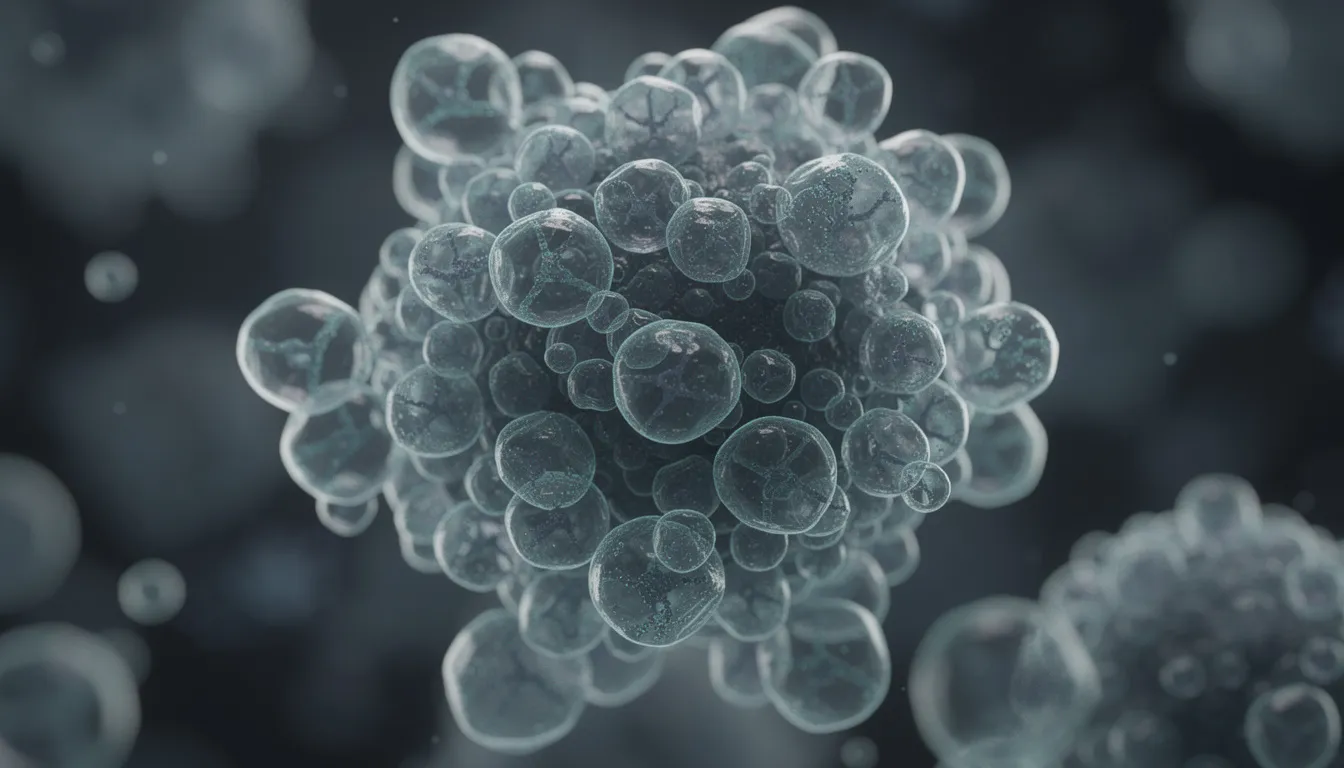
Adult stem cells, also known as somatic stem cells, are undifferentiated cells found throughout the body after development that maintain tissue homeostasis. These specialized cells possess two fundamental properties that distinguish them from other cell types: self-renewal and multipotency.
Self-renewal represents the ability of stem cells to undergo numerous cycles of cell division while maintaining their undifferentiated state. Through symmetric division, adult stem cells can produce two identical stem cells, while asymmetric division creates one stem cell and one progenitor cell with limited self-renewal potential. This molecular distinction involves differential segregation of cell membrane proteins between daughter cells.
Multipotency refers to the ability to generate progeny of several distinct cell types related to their tissue of origin. While pluripotent stem cells like embryonic stem cells can differentiate into any cell type in the body, adult stem cells are typically multipotent, meaning they differentiate into a limited number of cell types specific to their resident tissue.
The primary function of adult stem cells centers on tissue maintenance and tissue repair. Throughout an organism’s lifespan, populations of adult stem cells serve as an internal repair system that generates replacements for cells lost through normal wear and tear, injury, or disease. These cells remain quiescent or non-dividing for extended periods until activated by physiological need, making them highly efficient biological repair mechanisms.
Unlike embryonic stem cells, adult stem cells present no ethical controversies since they are derived from adult tissue samples rather than human embryos. This advantage has made adult stem cell research and therapy more readily acceptable for clinical applications, leading to numerous FDA-approved treatments.
Major Types of Adult Stem Cells
Hematopoietic Stem Cells (HSCs)
Hematopoietic stem cells represent the most well-characterized and clinically successful type of adult stem cells. Located primarily in bone marrow, these blood forming stem cells are also found in umbilical cord blood and peripheral circulation in smaller numbers.
HSCs differentiate into all blood cell types including red blood cells, white blood cells, and platelets through a carefully regulated process called hematopoiesis. These multipotent stem cells remain generally dormant in the bone marrow but activate rapidly when blood cell replenishment is needed, such as after injury, infection, or blood loss.
The clinical success of hematopoietic stem cells is unparalleled in regenerative medicine. Over one million bone marrow transplants have been performed worldwide for treating leukemia, lymphoma, and various blood disorders. The procedure involves harvesting healthy HSCs from a donor’s bone marrow or peripheral blood and transplanting them into patients whose blood-forming system has been damaged by disease or chemotherapy.
Characteristics of HSCs include their ability to self-renew throughout an individual’s lifetime while maintaining the capacity to differentiate into mature blood cells when needed. Research has shown that a single HSC can reconstitute an entire blood system, demonstrating their remarkable regenerative potential.
Mesenchymal Stem Cells (MSCs)
Mesenchymal stem cells are particularly attractive for clinical therapy due to their multiple differentiation capabilities and immune-modulating properties. These adult stem cells can be sourced from bone marrow, adipose tissue, umbilical cord Wharton’s jelly, dental pulp, and placenta, making them relatively accessible for therapeutic applications.
MSCs demonstrate remarkable differentiation capacity, transforming into osteoblasts (bone cells), chondroblasts (cartilage cells), adipocytes (fat cells), and hepatocytes (liver cells). Beyond their differentiation potential, mesenchymal stem cells secrete bioactive mediators that favor local cell growth and modulate immune responses toward an anti-inflammatory environment.
Clinical applications for MSCs span orthopedic therapies, cartilage regeneration, and autoimmune condition treatments. Their ability to home to injury sites and secrete growth-promoting factors makes them valuable for tissue engineering approaches. Unlike embryonic stem cells, MSCs rarely form tumors, making them safer for therapeutic applications.
The therapeutic properties of mesenchymal stem cells extend beyond differentiation. These cells can suppress excessive immune responses, making them useful for treating autoimmune diseases and preventing transplant rejection. Their secretome—the collection of proteins and growth factors they release—contributes significantly to their healing properties.
Neural Stem Cells
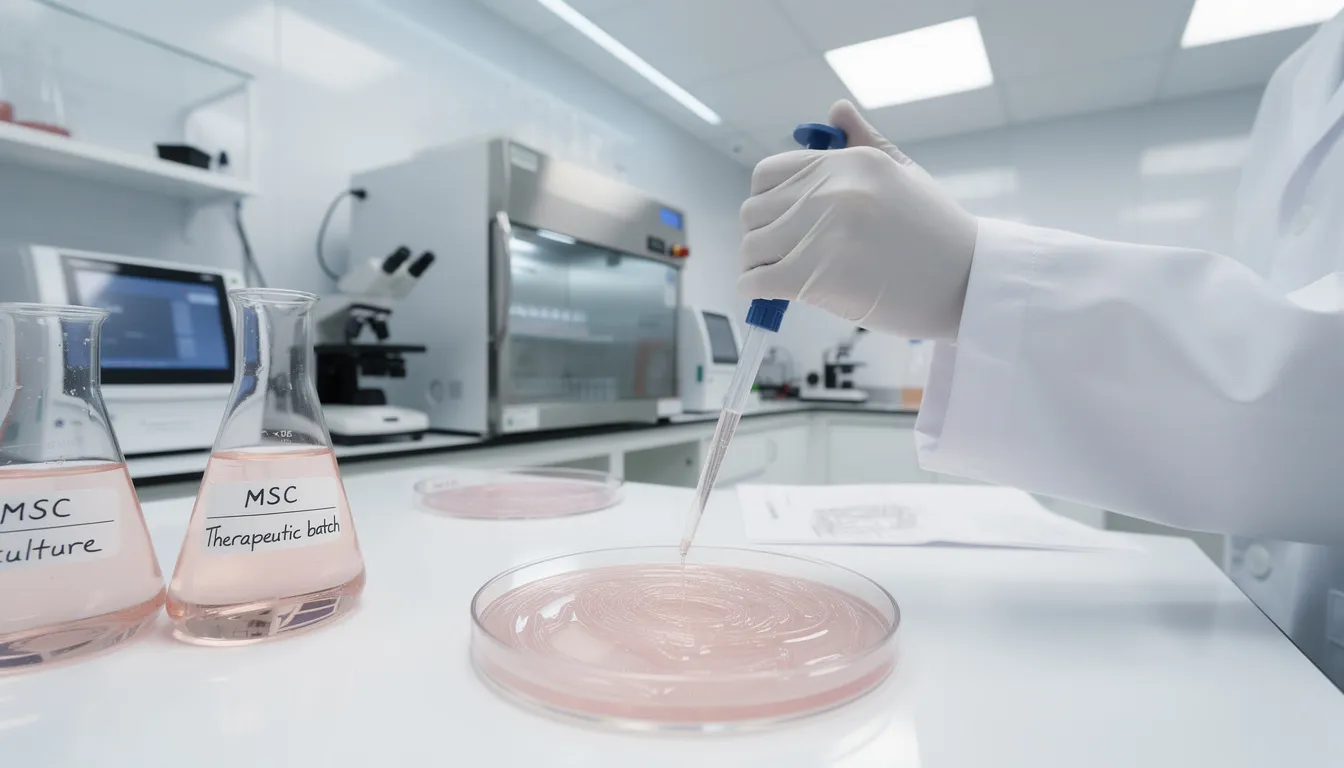
Neural stem cells are found in specific regions of the adult brain, primarily the subventricular zone and dentate gyrus of the hippocampus. These specialized adult stem cells generate new neurons and glial cells, with activity particularly increased after brain injury or during learning processes.
The function of neural stem cells includes maintaining brain tissue homeostasis and contributing to neuroplasticity—the brain’s ability to reorganize and form new neural connections. Research has shown that neurogenesis, the formation of new nerve cells, continues throughout adult life in these specialized brain regions.
For research applications, neural stem cells are commonly cultivated as neurospheres—floating heterogeneous aggregates containing a large proportion of stem cells. These neurospheres can be propagated for extended periods and differentiated into both neuronal and glial cells, demonstrating stem cell behavior under laboratory conditions.
Current research focuses on developing treatments for neurodegenerative diseases using neural stem cells. However, challenges remain in translating laboratory success to clinical applications, as neurosphere-derived cells do not always behave as stem cells when transplanted back into brain tissue.
Other Specialized Adult Stem Cells
Several other types of tissue-specific stem cells contribute to the body’s regenerative capacity. Intestinal stem cells continuously renew the intestinal epithelium, replacing the entire intestinal lining every few days. Located in the crypts of Lieberkuhn, these cells demonstrate some of the highest turnover rates among adult stem cells.
Endothelial cells represent rare but important stem cells found in bone marrow that form blood and lymphatic vessel linings. These cells capable of forming new blood vessels are crucial for tissue repair and wound healing processes.
Olfactory stem cells, easily harvested from nasal mucosa, show pluripotent-like properties and can generate various cell types. Hair follicle stem cells, derived from neural crest, can generate various cell types including nerve cells and melanocytes, demonstrating plasticity beyond their primary tissue.
Other adult stem cells include those found in amniotic fluid, which can be collected during routine procedures, and various organ-specific stem cell populations that maintain tissue function throughout life.
Sources and Harvesting of Adult Stem Cells
Bone marrow represents the richest source of adult stem cells, containing both hematopoietic stem cells and mesenchymal stem cells. Bone marrow transplants have been successfully performed for decades, with established protocols for harvesting and processing these cells. The procedure typically involves extracting bone marrow from the donor’s hip bone under anesthesia.
Adipose tissue has emerged as an abundant source of mesenchymal stem cells, obtainable through minimally invasive liposuction procedures. Fat cells and associated stem cells can be processed to isolate MSCs for therapeutic applications. This source is particularly attractive because adipose tissue is readily accessible and contains high concentrations of stem cells.
Umbilical cord blood and Wharton’s jelly collected at birth contain both HSCs and MSCs. Cord blood banking allows families to preserve these cells for potential future therapeutic use. The cells from umbilical cord blood are particularly valuable because they are young and have high regenerative potential.
Other important sources include peripheral blood, which can be stimulated to release stem cells through growth factor treatments, and dental pulp from extracted teeth. Amniotic fluid drawn during routine prenatal procedures also contains stem cells with therapeutic potential.
Harvesting advantages of using a patient’s own adult cells include avoiding immune system rejection and eliminating ethical concerns associated with embryonic stem cell research. Autologous stem cell therapy using the patient’s own cells has shown excellent safety profiles in clinical applications.
Clinical Applications and Therapeutic Success
Established Treatments
Bone marrow transplants represent the gold standard of adult stem cell therapy, with FDA approval dating back to the 1970s. These procedures successfully treat blood cancers including leukemia, lymphoma, and multiple myeloma, as well as immune deficiencies and genetic disorders affecting blood cell production.
Hematopoietic stem cell therapy has expanded beyond traditional bone marrow transplants to include peripheral blood stem cell transplants and umbilical cord blood transplants. These treatments have saved countless lives and continue to improve with advances in donor matching and conditioning protocols.
Corneal stem cell transplants represent another established success story, restoring vision in patients with corneal damage or disease. The procedure involves transplanting healthy corneal stem cells to regenerate the damaged eye surface, with success rates exceeding 80% in appropriate candidates.
Skin grafts using stem cells have revolutionized treatment for severe burns and chronic wounds. The ability to expand a small skin sample containing stem cells into large grafts has transformed burn treatment and wound healing protocols.
Emerging Therapeutic Applications
Cardiovascular diseases represent a major focus for emerging adult stem cell applications. Clinical trials using mesenchymal stem cells for heart failure and myocardial infarction have shown promising results, with some patients experiencing improved heart function and reduced scar tissue formation.
Orthopedic applications include cartilage repair, bone regeneration, and joint disease treatments. Stem cell therapy for knee osteoarthritis has shown significant pain reduction and functional improvement in clinical studies. The ability of MSCs to differentiate into bone and cartilage makes them ideal for orthopedic regenerative medicine.
Neurological conditions are being investigated for stem cell treatment potential. Experimental treatments for stroke, spinal cord injury, and Parkinson’s disease using various adult stem cell types have shown encouraging preliminary results in clinical trials.
Autoimmune disorders including multiple sclerosis, Crohn’s disease, and type 1 diabetes are being treated with MSC therapy in clinical trials. The immune-modulating properties of mesenchymal stem cells offer hope for patients with these challenging conditions.
Advantages and Limitations of Adult Stem Cells
The primary advantages of adult stem cells include the absence of ethical controversies that surround human embryonic stem cell research. Since these cells are derived from adult tissues rather than human embryos, they face no regulatory restrictions based on ethical considerations.
Autologous use of adult stem cells prevents immune system rejection, a significant advantage over other cell-based therapies. When patients receive their own stem cells, there is no risk of the donor’s immune system attacking the transplanted cells, eliminating the need for immunosuppressive medications.
Adult stem cells have established a proven clinical safety record through decades of successful bone marrow transplants and other therapeutic applications. The risk of tumor formation is significantly lower compared to pluripotent stem cells, making them safer for clinical use.
The multipotency of adult stem cells allows them to differentiate into multiple cell types within their tissue of origin, providing flexibility for treating various conditions affecting specific organ systems.
However, adult stem cells also have important limitations. Their more restricted differentiation potential compared to embryonic stem cells limits the range of conditions they can treat. While embryonic stem cells can theoretically become any cell in the body, adult stem cells are typically limited to cell types related to their tissue source.
Age-related decline represents another significant limitation. Adult stem cell function decreases with aging due to accumulated DNA damage and environmental factors, potentially reducing their therapeutic effectiveness in older patients. The number and quality of stem cells tend to decline as we age.
Harvesting challenges include the fact that some sources require invasive procedures, and certain tissues contain limited cell numbers. Expanding these cells in laboratory culture while maintaining their stem cell properties can be technically challenging and time-consuming.
Current Research and Future Directions
Induced pluripotent stem cells represent a groundbreaking advancement in stem cell research. These ips cells are created by reprogramming adult somatic cells to an embryonic-like state, combining the differentiation potential of embryonic stem cells with the ethical advantages of adult cell sources.
The process involves introducing specific reprogramming factors into adult cells, transforming them into pluripotent cells capable of differentiating into any cell type in the body. This technology, recognized with the Nobel Prize in 2012, offers the potential to generate patient-specific stem cells for regenerative medicine while avoiding immune rejection.
Transdifferentiation research focuses on the direct conversion of one adult cell type to another without going through a pluripotent intermediate state. This approach could potentially allow more efficient generation of specific cell types for therapeutic applications.
Gene therapy applications using adult stem cells as vehicles for delivering therapeutic genes show promise for treating genetic disorders. The self-renewing nature of stem cells makes them ideal carriers for long-term gene delivery to target tissues.
Three-dimensional organoid models created from adult stem cells are revolutionizing disease research and drug testing. These mini-organs grown in laboratory conditions accurately model human disease processes, including COVID-19 lung organoids that have advanced our understanding of viral infections.
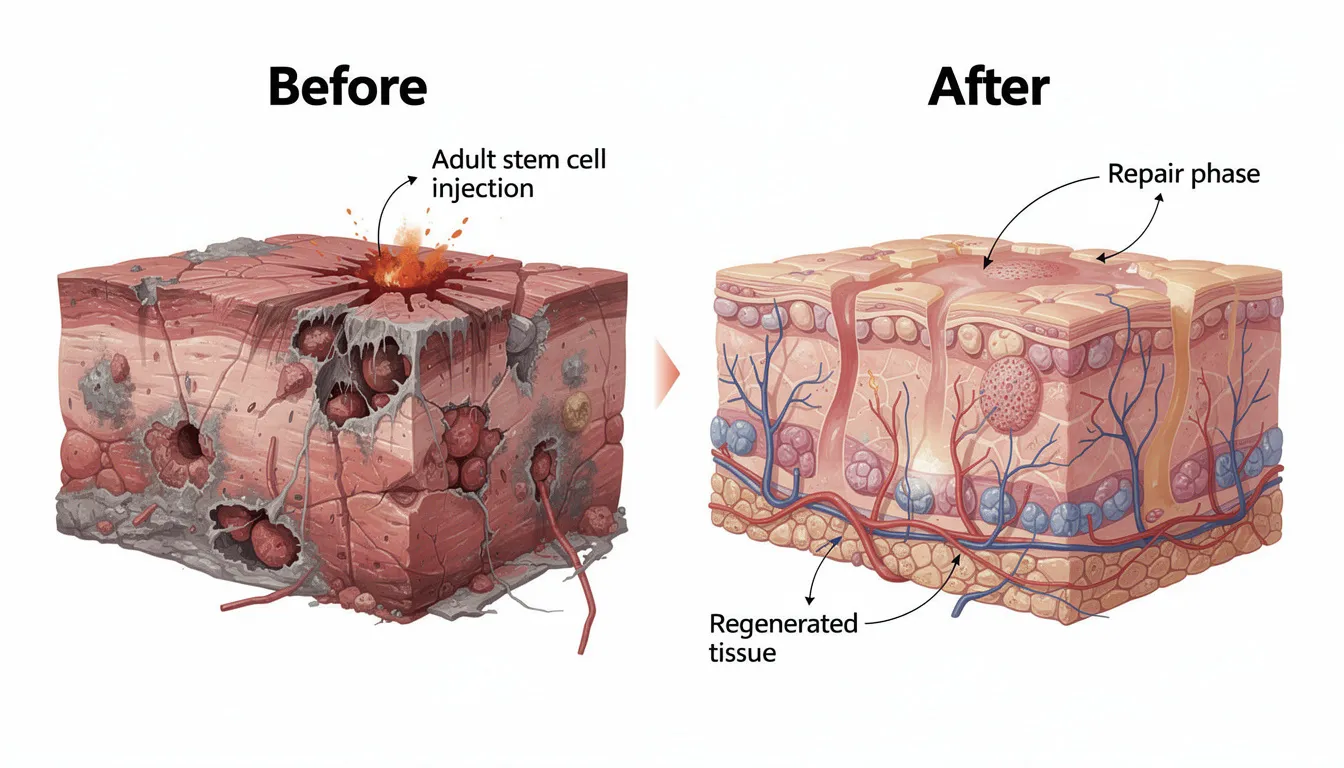
Combination therapies pairing stem cells with biomaterials, growth factors, and tissue engineering approaches represent the future of regenerative medicine. These integrated approaches aim to enhance stem cell survival, function, and integration with host tissues.
Advances in stem cell tracking and monitoring technologies are improving our understanding of how transplanted cells behave in the body. New imaging techniques allow researchers to follow stem cells after transplantation and optimize treatment protocols.
The field of regenerative medicine continues to evolve rapidly, with new applications for adult stem cells being discovered regularly. Current research focuses on improving cell delivery methods, enhancing cell survival after transplantation, and developing standardized protocols for clinical use.

Conclusion
Adult stem cells represent one of medicine’s most promising frontiers, offering proven therapeutic benefits while avoiding the ethical complications associated with embryonic stem cell research. From the life-saving potential of bone marrow transplants to emerging applications in cardiovascular disease and neurological disorders, these remarkable cells continue to transform patient care.
The advantages of using adult stem cells—including immune compatibility, established safety profiles, and abundant sources throughout the body—make them ideal candidates for regenerative medicine applications. While limitations exist regarding their differentiation potential compared to pluripotent stem cells, ongoing research into induced pluripotent stem cells and combination therapies promises to overcome these restrictions.
As our understanding of adult stem cell function advances and new therapeutic applications emerge, these cells will likely play an increasingly important role in treating previously incurable conditions. The future of regenerative medicine looks bright, with adult stem cells leading the way toward personalized, effective treatments for a wide range of diseases and injuries.
For patients considering stem cell therapy, consulting with qualified medical professionals remains essential to understand current treatment options and participate in appropriate clinical trials. The field continues to evolve rapidly, offering new hope for patients with conditions that were once considered untreatable.
Contact Us
Get in touch with us today to start on your path towards restoration. We’re offering free consultations to help you understand what the right move for you is and how we can be the best of service to you. Over the years, our doors have been opened to thousand of successful patients.
Call us at (310) 281-6160 or fill out the contact form, we’re excited to hear from you!